You may have started noticing subtle changes: lines that linger after you stop frowning, creases across your forehead, or fine wrinkles at the corners of your eyes that weren’t there a few years ago. Even small shifts in muscle movement can change how rested you look.
If you want smoother skin without surgery or downtime, neuromodulators like Dysport may be the right option for you. At Invigue Medical Aesthetics and Wellness in Ashburn, all aesthetic treatments are tailored to your facial anatomy and goals to achieve natural, balanced results. In this article, we explore the five facial areas that respond best to Dysport.
Glabella (the “11s” between your brows)
The vertical lines between your eyebrows, often called the “11s,” are one of the most common areas treated with Dysport. These form from repeated frowning, concentrating, or squinting. Over time, they can become etched into your skin, making you look upset.
Dysport works by relaxing the corrugator and procerus muscles responsible for these lines. When these muscles are softened, the skin above them smooths out. The result is a more relaxed appearance while still preserving natural expressions.
Forehead lines
If you frequently raise your eyebrows when talking or reacting, you may notice horizontal lines stretching across your forehead. These horizontal lines often deepen with age and can remain visible even when your face is at rest.
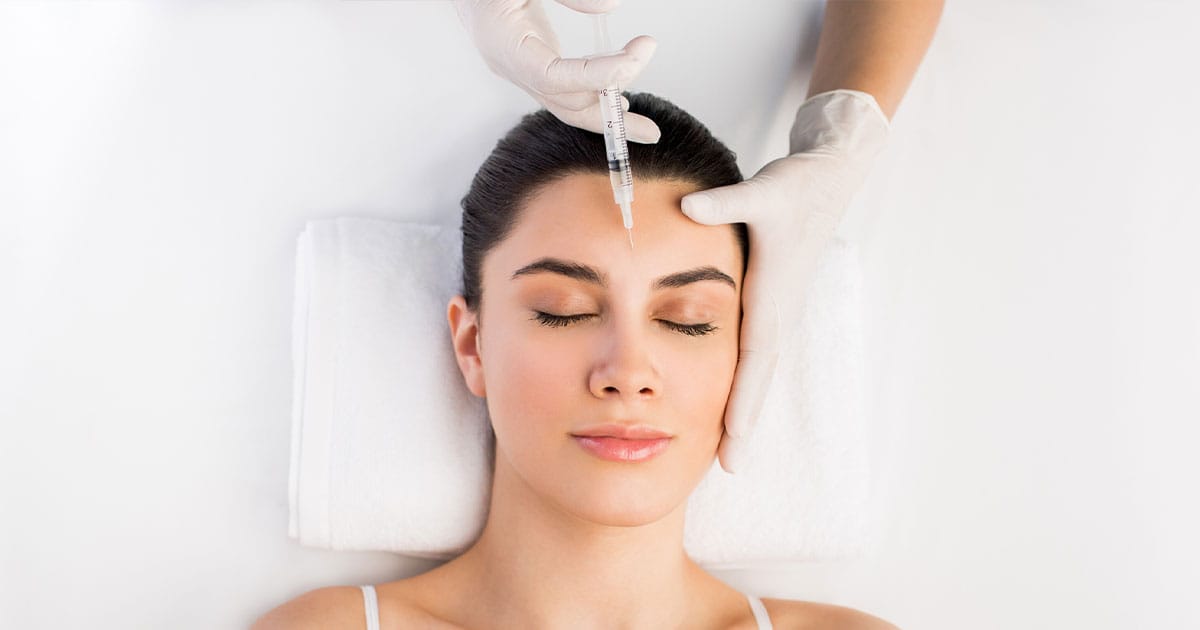
Dysport relaxes the frontalis muscle, which lifts your brows and creates those creases. Treatment smooths dynamic (movement-related) and early static wrinkles. For balanced, natural results, the forehead is often treated alongside the glabella. This ensures your brows maintain symmetry and movement while your overall appearance looks softer and more youthful.
Crow’s feet (outer eye wrinkles)
The fine lines that fan out from the corners of your eyes, known as crow’s feet, develop from years of smiling, squinting, and sun exposure. While they reflect a life full of expression, they can also make your eyes appear tired.
Dysport is especially effective in this area because it diffuses slightly within the treated area. With precise placement, it relaxes the orbicularis oculi muscle without affecting your ability to smile naturally. The result is a brighter, more refreshed eye area. Many patients find that softening crow’s feet enhances their entire expression without creating stiffness.
Brow lift for a more open look
If your brows have started to feel heavier or your upper eyelids look slightly hooded, a subtle, non-surgical brow lift with Dysport may help. Instead of adding volume, this treatment works by relaxing the muscles that pull your brows downward.
When those downward-pulling muscles are softened, the opposing lifting muscles can gently elevate the brow. The effect is subtle but noticeable: your eyes appear more open and awake. This treatment is particularly popular if you are noticing early signs of brow descent but are not ready for surgical intervention.
Bunny lines (wrinkles on the nose)
Bunny lines are the diagonal wrinkles that appear on either side of your nose when you smile or scrunch your face. While small at first, they can deepen over time.
Dysport can be carefully placed in the nasalis muscle to soften these lines without altering your natural smile. Although this is a smaller treatment area, it can make a meaningful difference in achieving a polished, harmonious result across your upper face.
Your personalized plan for smoother skin
Every face moves differently. The areas that respond best to Dysport for you depend on your facial anatomy, muscle strength, and goals. At Invigue, your treatment begins with a thorough consultation to assess your facial movement both at rest and in expression. This ensures that the right areas are treated with the right dosing for natural-looking results.
If you are ready to soften lines and maintain a refreshed appearance, the team at Invigue can guide you through your options and create a plan tailored specifically to you. Contact us today to schedule your consultation.