

You notice dullness that won’t fade, fine lines that seem more noticeable, or uneven tone that makeup can’t quite hide. Maybe breakouts linger longer than they used to, or sun damage is starting to show. You know your skin has potential, you just need the right treatment.
At Invigue Medical Aesthetics in Ashburn, our providers offer medically advanced chemical peels to refresh your skin, improve texture and tone, and support long-term skin health. If you’re considering your first chemical peel, understanding what happens during treatment, and what to expect afterward, can help you feel confident and excited about your journey.
What to expect during your first chemical peel
Your first chemical peel is carefully planned and guided by one clear goal: helping you achieve healthier, more radiant skin safely. Here’s how the process typically unfolds, step by step.
Personalized consultation and skin analysis
You begin with a comprehensive consultation, during which your provider takes time to understand your concerns, lifestyle, and goals. You’ll discuss issues like acne, pigmentation, fine lines, texture irregularities, or sun damage. Your provider also reviews your medical history and skincare routine to ensure the treatment is safe and appropriate. Based on this evaluation, the type and strength of peel are selected to match your skin’s needs and tolerance.
Prepping your skin
Before the peel is applied, your skin is thoroughly cleansed to remove oil, makeup, and debris. This allows the chemical solution to penetrate evenly. In some cases, a degreasing solution is used to further prep the skin. This sets the foundation for consistent results.
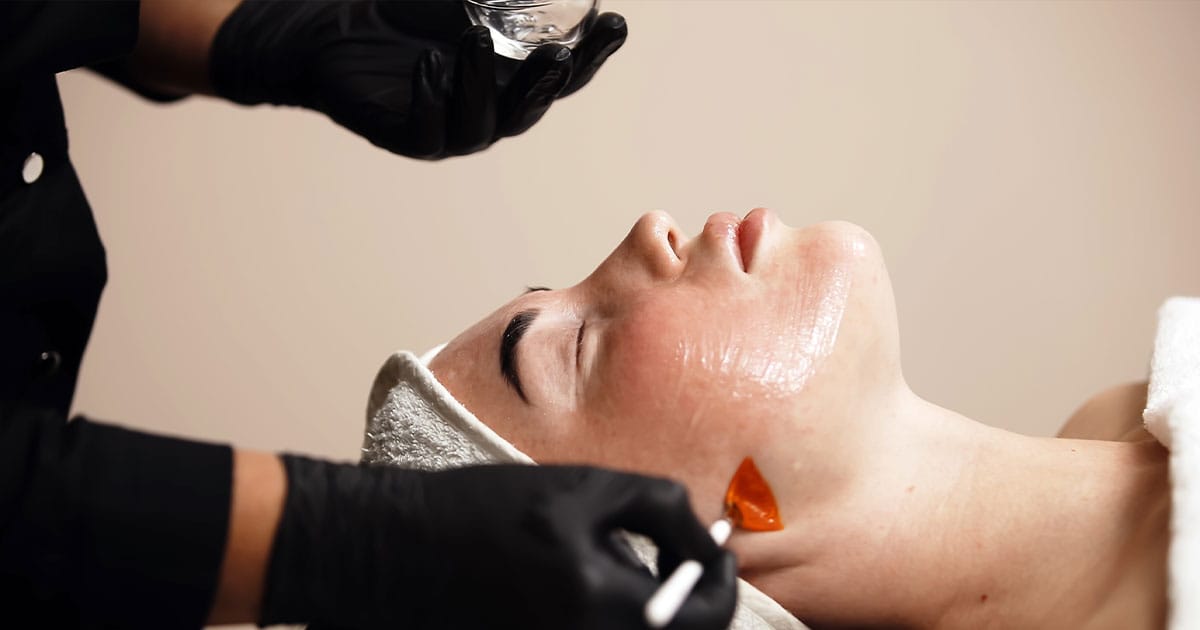
Application of the chemical peel solution
Your provider applies the peel solution in controlled layers using a brush, gauze, or applicator. You may feel tingling, warmth, or mild stinging as the solution begins working. These sensations are expected and usually subside within a few minutes. Your provider monitors your skin closely to determine how long the peel remains in place and when to neutralize or remove it.
Neutralization and calming
Once the peel has reached the desired depth, it is neutralized or removed, depending on the type of peel used. A soothing solution or mask may be applied to calm the skin and reduce redness. At this point, your skin may appear flushed, similar to a mild sunburn.
Post-treatment instructions
Before you leave, you’ll receive detailed aftercare instructions tailored to your peel type. You’ll also learn which products to use, which to avoid, and how to protect your skin during healing. This guidance is key to achieving the best possible outcome.
What happens after your chemical peel
The days following your chemical peel are when transformation begins. Your skin enters a renewal phase, gradually revealing a smoother, brighter complexion.
Immediately after treatment
Right after your peel, your skin may feel warm, tight, or sensitive. Redness is common and can range from light pink to a deeper flush, depending on peel strength. You might feel as though you have a mild sunburn. These effects are part of the healing response.
Days 1-2: Tightness and dryness
During the first couple of days, your skin often feels tight, dry, and slightly rough. You may notice mild swelling or increased sensitivity. Gentle cleansing and frequent moisturizing help keep your skin calm. This stage signals that the outer layers are preparing to shed.
Days 3-5: Peeling and flaking phase
This is when visible peeling begins. You might see small sheets or fine flakes of skin shedding, especially around the mouth, nose, and chin. While it may be tempting to pick, it’s important to let skin shed naturally. Pulling or peeling can lead to irritation or uneven healing.
Days 6-10: Fresh skin emerges
As peeling slows down, your new skin cells become visible underneath. Your complexion may look smoother, brighter, and more even. Some residual redness or sensitivity can still persist, especially with stronger peels, but this gradually fades.
Weeks following: Ongoing improvement
Even after surface healing is complete, your skin continues to benefit beneath the surface. Collagen stimulation and cell turnover support gradual improvements in tone, texture, and firmness. Many people notice continued enhancement over several weeks.
How to care for your skin during recovery
Proper aftercare supports healing and maximizes results. Follow these aftercare steps:
- Use a gentle cleanser and fragrance-free moisturizer
- Apply broad-spectrum sunscreen daily
- Avoid exfoliants, retinoids, and harsh products until cleared by your provider
- Skip hot tubs, saunas, and intense workouts for several days
- Keep skin well hydrated
When will you see results and how long do they last?
You may notice brighter, smoother skin within a week, with continued improvements over the next few weeks as your body produces new collagen. The results can last several months, especially when combined with a good skincare routine and sun protection. Many patients choose a series of peels spaced several weeks apart for optimal, long-lasting results.
Why choose Invigue Medical Aesthetics?
At Invigue Medical Aesthetics, our providers use their medical expertise and advanced technology to deliver safe, effective chemical peel treatments in a luxurious environment. Every plan is customized to your skin and your goals, because your journey should be as unique as you are. If you’re ready to refresh your complexion and reveal healthier, more radiant skin, schedule your consultation today.